
Commercial Tile Roof Repair • Tempe, Arizona • Seven-Building Condominium Community • Completed by Five Guys Roofing
Tempe Commercial Tile Roof Repair: Fixing Wind Damage Across Seven Occupied Condominium Buildings
Five Guys Roofing repaired wind damage across every building of a Tempe condominium community, re-mortaring cracked caps, replacing broken tile, and rebuilding the failed underlayment areas down to the deck without replacing a single roof. Some details have been generalized to protect the property owner’s privacy, while keeping the scope, materials, and warranty terms clear.
City
Tempe, AZ
Property Type
Condominium community, seven buildings
Roof System
Concrete flat tile over battens and underlayment
Service
Commercial tile roof repair, wind damage
Roof Age
15 years or more
Warranty
2 Year Warranty
Pricing and What Drives It
Approved total: $13,950. That figure covered all seven buildings as one scope. The cost drivers were the number of buildings the crews had to mobilize to, the volume of hand work in re-mortaring every cracked cap and re-setting every displaced tile, the 70 cracked tiles that had to be replaced, the roughly 900 square feet of underlayment and batten rebuild, the age of the roof system, and working around residents on an occupied property.
This project fell in the $10,000–$15,000 range. The only unit price in the approved scope was for deck repair: one sheet of plywood was included if wood rot was found, with additional sheets at $80 each.
The Situation
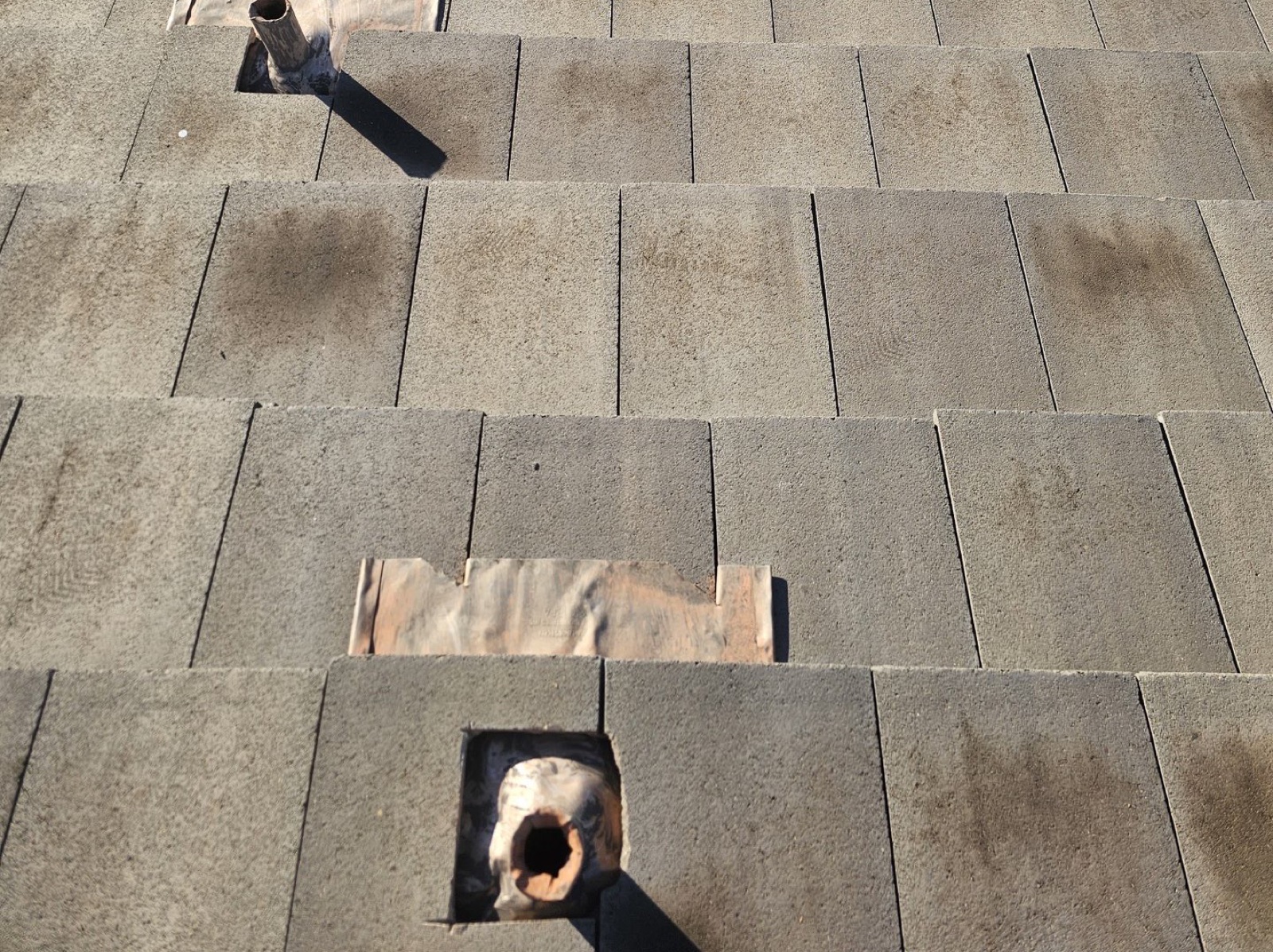
The property manager brought us in after wind damage and asked for a full general inspection of every building, not just the units that had already reported problems. The tile roof system was more than 15 years old. Wind had lifted and broken tile, opened up cracked mortar caps, and in places had torn the underlayment beneath the tile.
That last point is what turned this from a tile-swap into a real repair. Concrete tile is the shell, but the underlayment beneath it is the waterproofing. Where the underlayment was torn, replacing tile alone would not have stopped water.
- Wind damage spread across all seven buildings rather than isolated to one roof
- A concrete tile roof system more than 15 years old
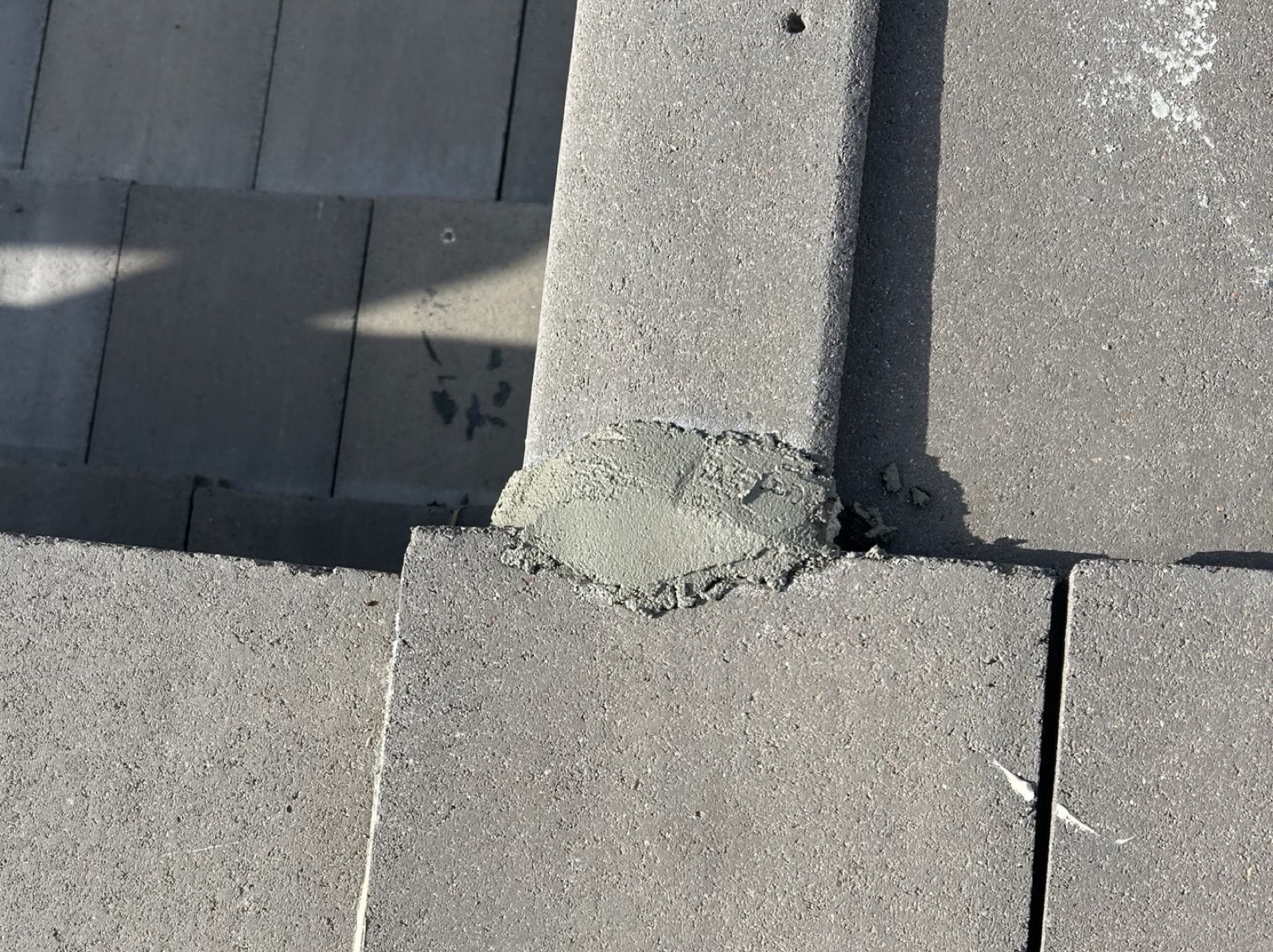
- Cracked mortar caps along the hips and rakes on every building
- Broken tile, plus tiles that had been shifted or displaced out of their courses
- Underlayment lifted and torn open across roughly 900 square feet
- Occupied units already reporting interior leaks
What Was Causing It
Concrete tile itself lasts a long time in Arizona, but the assembly under it is what keeps water out, and it ages. Mortar caps at hips and rakes shrink and crack, tile fasteners and battens loosen, and the underlayment gets brittle. Once a wind event gets under a course of tile, it lifts tile, cracks tile against tile, and tears the aged underlayment open where it is already weakest.
On this property the damage followed exactly that pattern. Most of the roof area was sound and did not need to be touched. A defined set of areas, roughly 900 square feet in total, had lost the underlayment layer and needed to be rebuilt from the deck up.
How We Verified the Roof Condition
We inspected every building rather than pricing only the units that had complained. Separating sound roof from failed roof is what kept this project a repair instead of a replacement, and it is what put the number at $13,950 rather than a capital-project figure.
- Ran a full general inspection across all seven buildings, on the roof rather than from the ground
- Documented the condition with marked-up aerial imagery alongside on-roof photos
- Counted the cracked tiles that needed replacing and arrived at 70 across the property
- Measured the areas where the underlayment was lifted and torn, totaling roughly 900 square feet
- Identified which displaced tiles were intact and could simply be re-set, versus which were broken and had to be replaced
- Confirmed the tile profile so replacement tile would match: Eagle flat tile, verified against the back of the existing tiles with our supplier before ordering
Every inspection and every work visit was made from outside the buildings, so no resident had anyone coming through their unit.
The Plan
The plan was to treat the whole property as one scope but do targeted work on each building: re-mortar every cracked cap, re-set the tiles that were only displaced, replace the ones that were broken, and fully rebuild the roughly 900 square feet where the underlayment had failed.
In the rebuild areas the existing tile came off and was set aside for re-use. Re-using sound tile is what keeps a repair like this affordable and keeps the finished roof matching the rest of the building.
Materials and Components Used
- Underlayment: A new layer of ply 40 underlayment in every area where the existing underlayment was removed
- Battens: New wood battens to replace the existing battens that came out with the old underlayment
- Replacement Tile: Eagle flat tile to match the existing profile, for the 70 cracked tiles, plus matching rake tile
- Re-used Tile: The existing tiles lifted off the rebuild areas were kept and re-installed rather than thrown away
- Mortar: Fresh mortar to rebuild the cracked caps along hips and rakes on each building
- Deck Repair: Plywood inspected for wood rot, with one sheet of replacement included and additional sheets priced at $80 each
- Fasteners and Flashing Details: Roofing nails, sealant, and drip edge as needed to close the rebuilt areas back in
Step-by-Step Work
Schedule Around the Residents, Not Around Us
The work was originally blocked out as a four-day run months later. The property manager told us which units were the most affected, so we broke the work order up and ran it as a series of scheduled visits in January instead, starting with the highest-priority units. That got water out of the most affected units weeks earlier than a single later mobilization would have. We ran it with two foremen so more than one building could be worked in a day.
Re-Mortar the Cracked Caps and Re-Set Displaced Tile
On each building we re-mortared all the cracked mortar caps and re-installed any tiles that had been displaced or shifted but were not broken. This is slow hand work spread over every hip and rake on seven buildings, and it is where a large share of the labor on this project went.
Replace the Broken Tile with Matching Eagle Flat Tile
All cracked roof tiles were replaced, 70 of them in the approved scope, along with rake tile where it was broken. Before ordering we confirmed the profile off the back of the existing tiles with our supplier so the replacements matched what was already on the roof.
Strip the Failed Areas to the Deck and Check the Plywood
In the roughly 900 square feet where the underlayment was lifted and torn, we took the tile off and set it aside for re-use, then removed the old underlayment and the wood battens underneath it. With the deck exposed we inspected the plywood for wood rot. One replacement sheet was carried in the approved scope, with any additional sheets priced at $80 each so the property manager knew the exposure before we opened anything up.
Rebuild with New Ply 40 Underlayment, New Battens, and the Original Tile
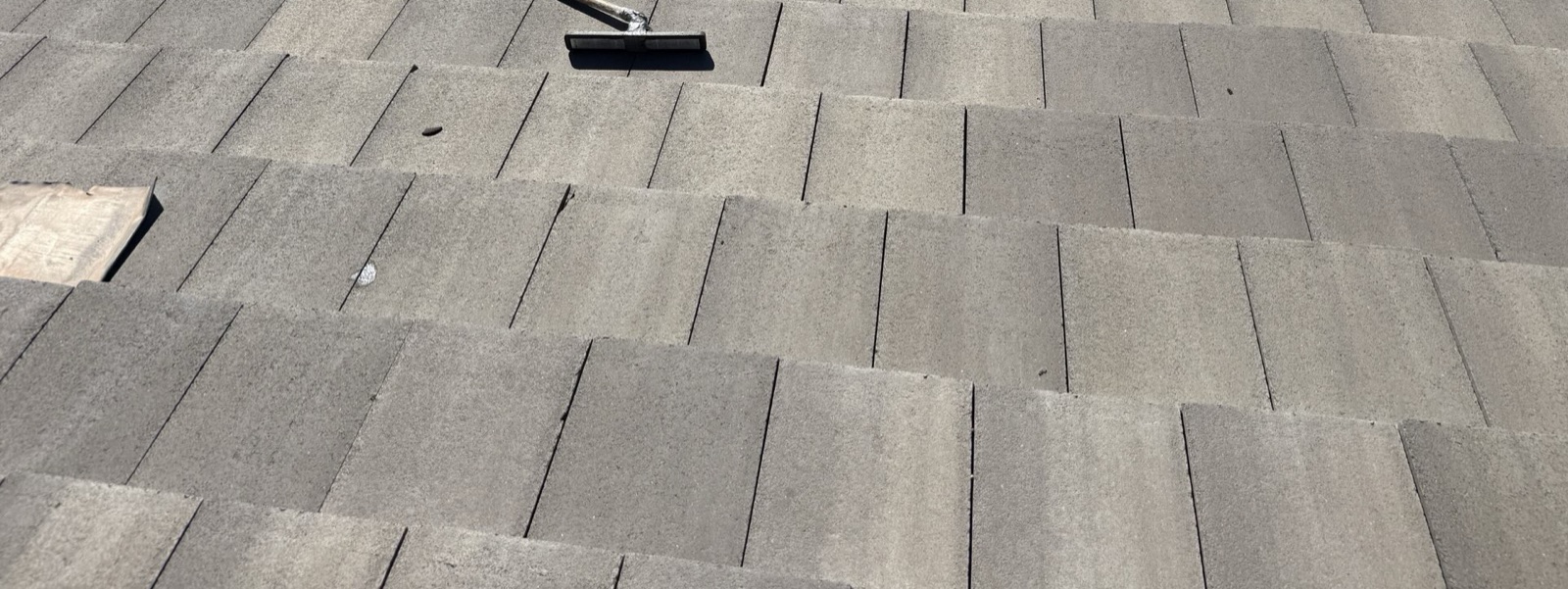
We installed a new layer of ply 40 underlayment across the stripped areas, set new wood battens over it, and re-installed the existing roof tiles that had been kept aside. Then we cleaned off the roof surface and hauled the debris away. That is what closed each building out.
Results
All seven buildings were repaired and the project was completed on January 24, 2026. The roof was repaired rather than replaced, and the original tile stayed on the building.
In April the property reported that some mortar caps in one area looked like they had been missed. We scheduled a crew back out, they finished the mortar work, and the item was closed out. On a repair spanning seven buildings and hundreds of mortar caps, a punch item like that is not unusual.
The approved scope carried a 2 Year Warranty on the repaired areas, written with a completion date of January 24, 2026, so coverage runs to January 24, 2028. For that two-year period we assure that the covered roofing system stays leak-free against improper workmanship in installation and against ordinary wear and tear of roofing materials by the elements, and we fix any such leak promptly and permanently at no cost to the building owner.
The warranty does not cover faulty or improper building design; natural causes and Acts of God, including wind, hail, lightning, flood, and earthquake; vandalism or damage by third parties, foreign objects, or plant and animal life; alterations, additions, or structures put on the roof without our prior written approval; use of the roof area for anything other than its intended purpose; failure to keep the roof reasonably maintained and clear of debris; fading or color change from weathering or ponding water; leaks under A/C units where the specification does not allow the waterproofing to be replaced; and electrical, sprinkler, fire suppression, or irrigation lines in attics or other concealed locations.
Before and After
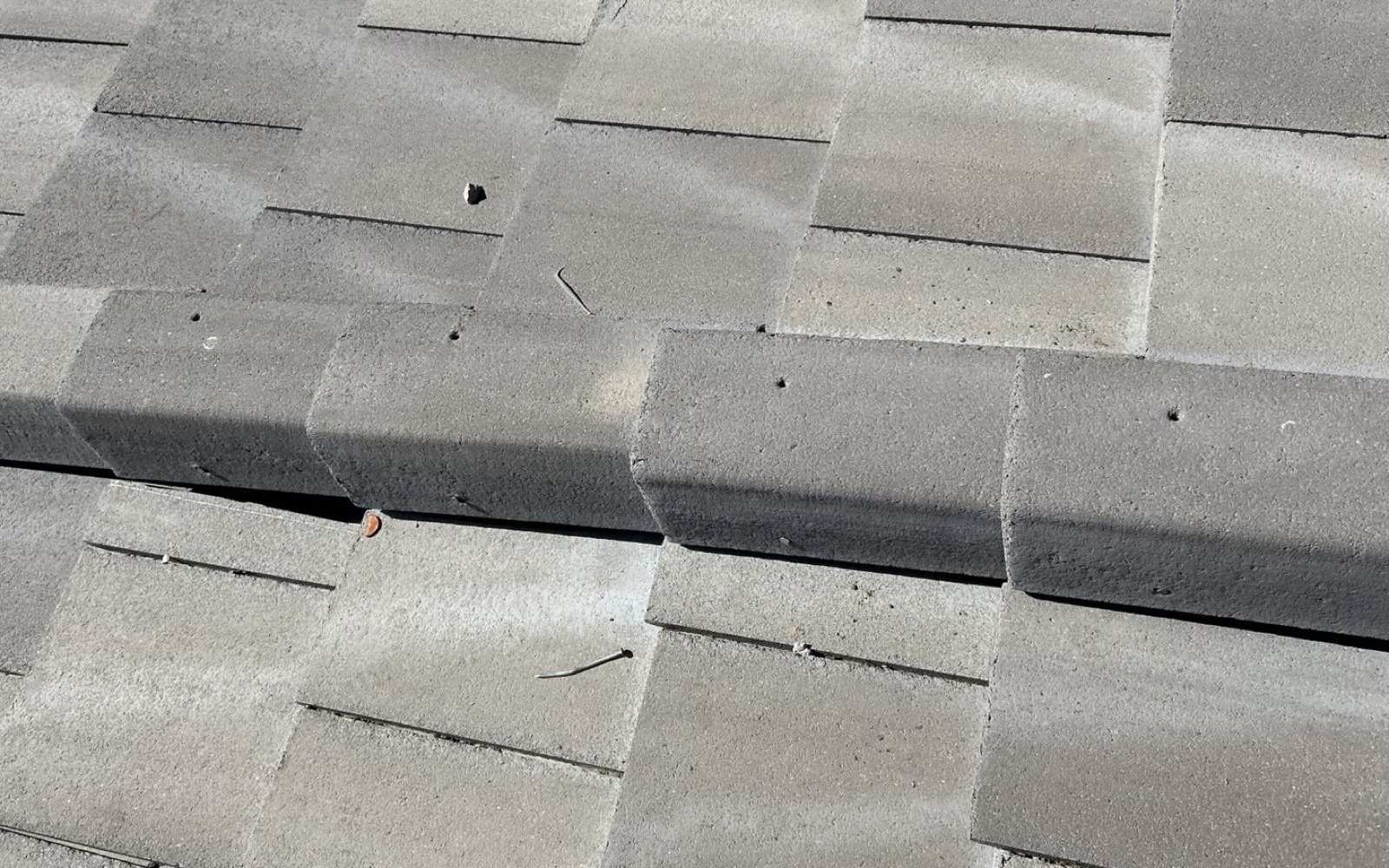
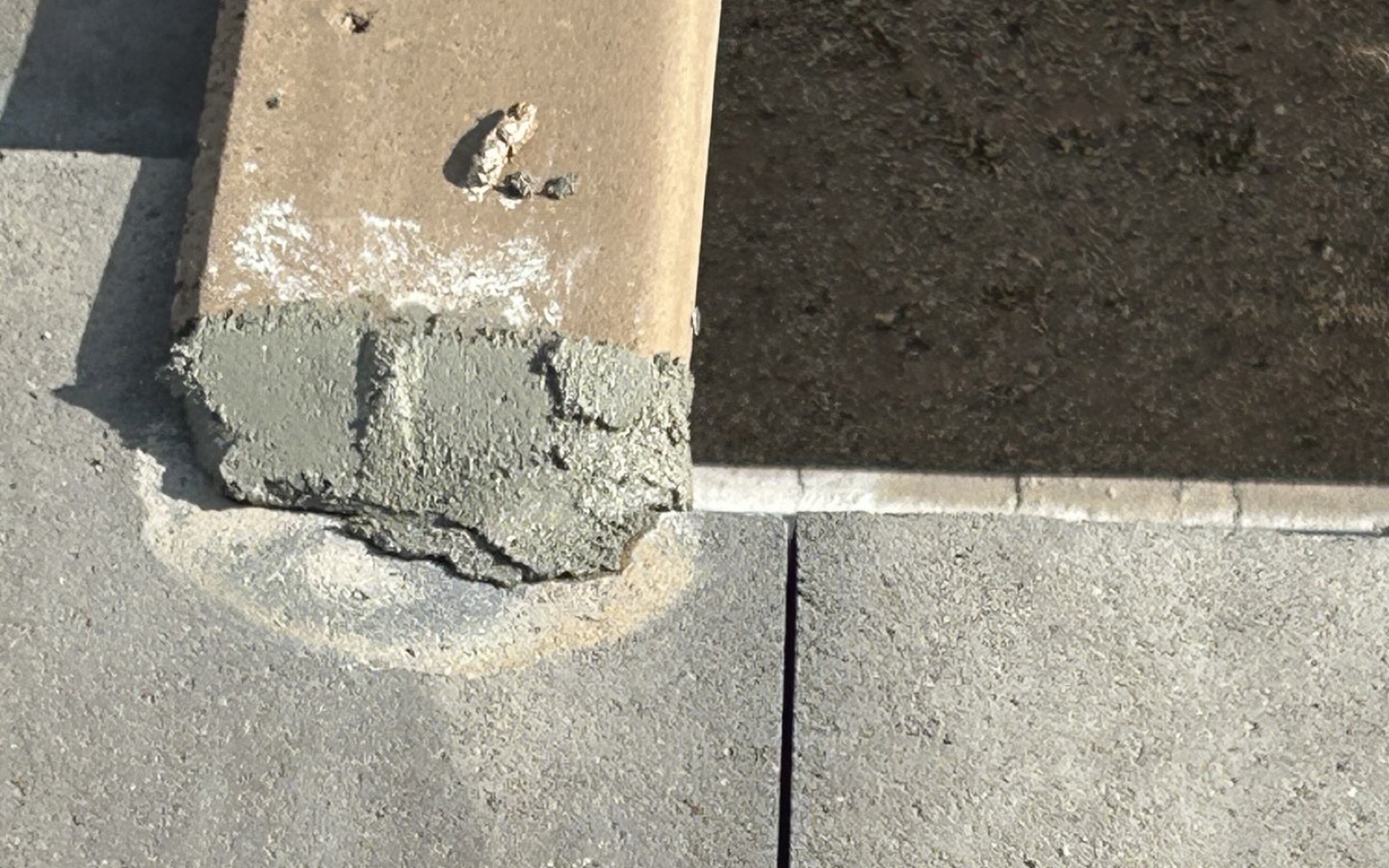
A side-by-side recap of tile courses knocked out of line with cracked caps, and the same details re-set and re-mortared.
FAQ
When is a commercial tile roof a repair instead of a replacement?
When most of the roof assembly is still sound and the failures are definable. On this property the tile system was more than 15 years old, but only about 900 square feet of it had lost its underlayment. The rest of the roof did not need to be touched. That is why the approved number was $13,950 for seven buildings rather than a replacement figure. The test is whether the underlayment beneath the tile is intact. Where it is, you re-mortar, re-set, and replace broken tile. Where it is torn, that area has to come off to the deck and be rebuilt, or the leak simply continues.
Why does the underlayment matter more than the tile?
Concrete tile is the wear surface. It takes the sun and the impact, but it is not the waterproofing layer. The underlayment beneath the tile is what actually keeps water out of the building. That is why replacing broken tile on its own would not have fixed the leaking units here. In the failed areas we removed the tile and battens, installed a new layer of ply 40 underlayment, set new battens, and put the original tile back over the top.
Do you re-use the existing roof tile, and will the repair match?
Yes, wherever the tile is sound. On this job the tiles lifted off the rebuild areas were set aside and re-installed rather than discarded, which keeps the cost down and keeps the roof looking consistent. Only broken tile was replaced, 70 pieces in the approved scope. Before ordering we confirmed the profile as Eagle flat tile by checking the back of the existing tiles with our supplier, so the replacement tile matched what was already on the buildings.
How disruptive is this work for residents, and how do you schedule it?
Tile repair is quieter and far less invasive than a replacement, and no resident had to leave a unit. The scheduling matters more than the noise. This scope was first blocked out as a four-day run in a later month, but the property manager identified which units were the most affected, so we broke the work order up and ran it as a series of scheduled visits in January, worst units first, with two foremen so more than one building could move in a day. Crews worked entirely from outside, so no resident had anyone coming through their unit.
What warranty came with it, and what would void it?
A 2 Year Warranty on the repaired areas, issued in writing with a completion date of January 24, 2026, so coverage runs to January 24, 2028. Within that period we keep the covered roofing system leak-free against improper workmanship and against ordinary wear and tear of the materials, at no cost to the building owner. The exclusions worth planning around are the ones a property manager controls: keep the roof reasonably maintained and clear of debris, keep foot traffic and other trades off the tile, and get our written approval before anything new is mounted or penetrated through the roof. Note that new storm and wind events are excluded as Acts of God, which is a workmanship warranty rather than storm insurance. If you suspect a failure, notify us within 24 hours, give us access to inspect, and authorize the repair in writing. The warranty can transfer to a new owner with written notice within 30 days of the sale’s recording date, our inspection, and a $250 transfer fee.
Have more questions? Check out our FAQ page.
Wind Damage on a Tile Roof in the Phoenix Metro?
If you manage a condominium, HOA, or multifamily property with tile roofs and you are seeing broken tile, cracked mortar caps, or leaks after a wind event, request a commercial roof inspection. We will get on every building, separate the roof that is still sound from the areas that have lost their underlayment, and price the repair so your board or ownership group can see exactly what needs doing and what it costs before committing to a replacement.
Five Guys Roofing · (480) 892-5311 · ROC# 301077 & ROC# 301076 · fiveguysroofing.com
We do not publish addresses, property names, or client-identifying details.
